






Understanding Your Explanation of Benefits (EOB)
Summary
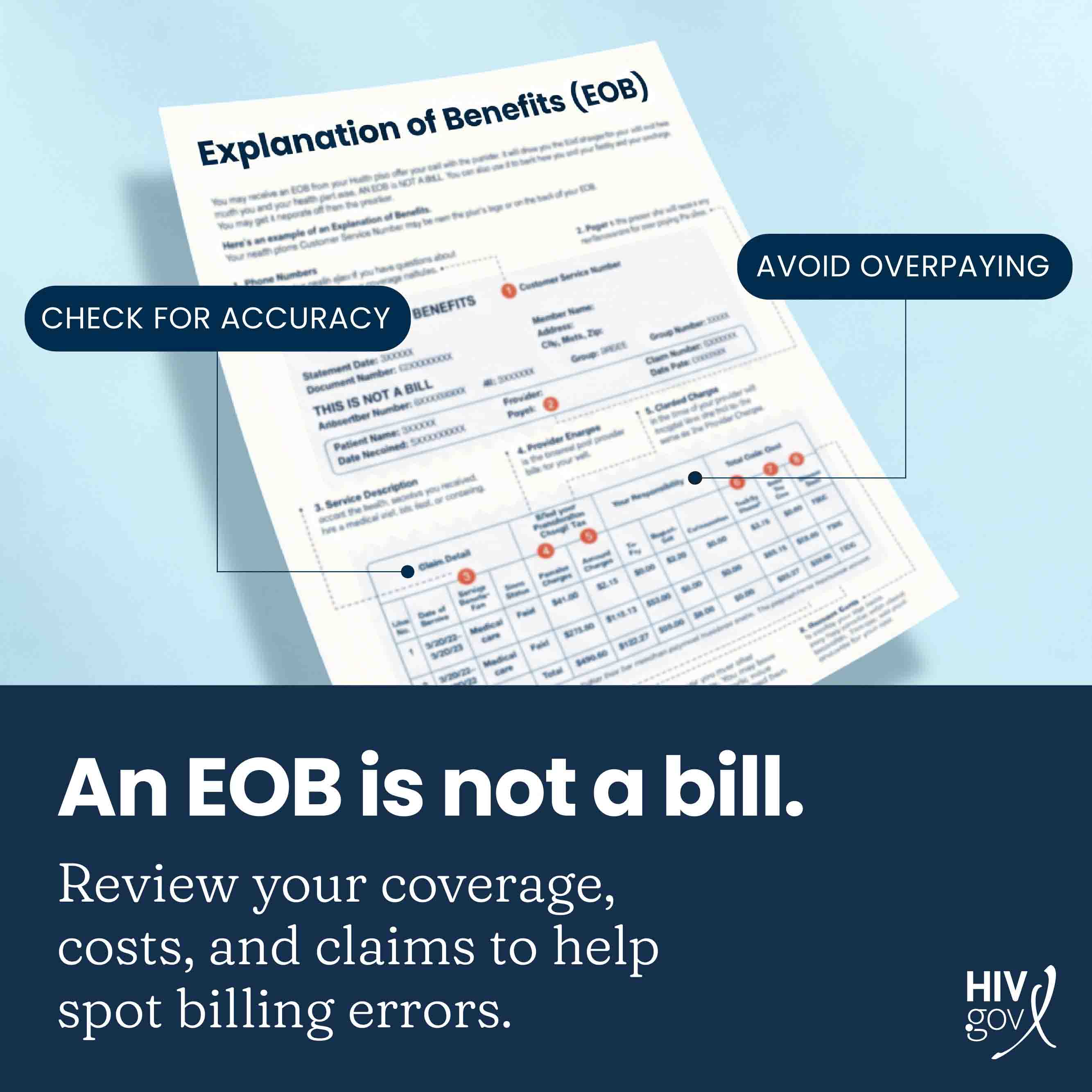
- An explanation of benefits (EOB) is not a bill. It explains how your health insurance plan processed a medical claim.
- Review your EOB carefully to understand your coverage, check for billing errors, and determine what you may owe.
- If something doesn’t look right, or if you have questions, contact your health insurance plan or health care provider for help.
Why Review Your EOB?
Health insurance documents can sometimes feel confusing or overwhelming. Learning how to review an EOB can help you better understand your health care services, insurance coverage, and medical costs. This page explains common parts of an EOB, what to look for when reviewing charges and coverage, and what steps to take if something doesn’t seem right.
What Is an EOB?
An EOB is not a bill. It is a statement from your health insurance plan that explains how a medical claim was processed after you receive care. It shows what services were billed, how much your insurance plan covered, and any amount you may owe.
Why Did I Receive an EOB?
You will typically receive an EOB after visiting a doctor, hospital, pharmacy, laboratory, or other health care provider. Your health insurance provider sends it to help you understand:
- The health care services you received
- What your health care provider charged
- What your insurance plan covered
- Any remaining amount you may owe
What Information Is Included on an EOB?
While every health insurance plan formats EOBs differently, most include similar types of information about your care, your claim, and the costs related to your visit. Understanding the main sections of an EOB can help you review your information more confidently.
Information About You and Your Health Plan
An EOB usually includes basic information such as your name, member ID number, group number, and the name of your health insurance plan. It may also list the patient’s name if the person who received care is different from the policyholder.
You will often see the name of the health care provider, the date the claim was processed, and a claim or reference number that can help you identify the claim if you contact your insurance plan.
Details About the Services Received
Most EOBs include a section that lists the services you received and the date(s) you received them. This may include office visits, laboratory tests, screenings, prescriptions, or other types of care. The description may use medical or billing terms that are unfamiliar. If you do not understand a service listed on your EOB, contact your health care provider or insurance plan for clarification.
Charges and Payments
An EOB explains how the costs of your care were divided between your health care provider, your insurance plan, and you.
Common terms may include:
- Provider Charges: The amount billed by your health care provider for a service.
- Allowed Charges: The maximum amount your insurance plan has agreed to pay for a covered service. This amount may be lower than the provider’s original charge.
- Paid by Insurer: The amount your health insurance plan paid toward the service.
- What You Owe or Patient Balance: The amount you may still owe after your insurance plan has paid its share.
Your EOB may also include information about deductibles, copayments, or coinsurance:
- Deductible: The amount you pay for covered health care services before your insurance plan begins to pay.
- Copayment: A fixed amount you pay for a covered service, such as a doctor’s visit or prescription.
- Coinsurance: The percentage of covered health care costs you may pay after meeting your deductible.
Remark Codes
Some EOBs include remark codes or notes that explain why a service was covered, denied, or paid at a certain amount. These codes are often listed near the bottom of the page with a brief explanation.
What Should I Look For?
Reviewing your EOB carefully can help you better understand your health care costs and identify possible errors. Comparing your EOB with bills from your health care provider can also help you confirm that the information matches.
When reviewing your EOB, check that the dates of service match the dates you received care. Make sure the provider’s name and services listed are correct and that you recognize the appointments, tests, medications, or procedures shown on the form.
It can also be helpful to look for possible billing errors. These may include:
- Charges for services you did not receive
- Duplicate charges for the same service
- Incorrect medication charges
- Charges for canceled tests or procedures
- Costs that seem higher than expected
Review the “What You Owe” or “Patient Balance” section carefully. The amount listed here reflects what you may owe after your insurance plan has paid its share. Your provider’s bill should generally match this amount. If the amount on your bill is higher, contact your health care provider or insurance plan to ask questions.
Keeping copies of your EOBs and medical bills can help you track your health care expenses over time and make it easier to resolve questions if they come up later.
Why Do the Provider Charges and the Allowed Charges Look Different?
Health care providers may bill one amount, but insurers negotiate lower contracted rates with in-network providers. As a result, the amount your provider charges may be higher than the amount your health plan allows for the service. The EOB shows both amounts so you can see the difference between the provider’s charge and the amount allowed by your health plan.
What Is the “Patient Responsibility” Amount?
Patient responsibility is the amount you may owe after your insurance processes the claim and pays its share of covered costs. It can include:
- Deductibles
- Copayments
- Coinsurance
If you have already paid part of the balance, or if you have not yet received a bill from your health care provider, the EOB may not reflect the final amount owed. Wait until you receive your provider’s bill before making additional payments.
Learn more about paying for HIV care and treatment.
Should I Keep My EOBs?
Yes. EOBs can help you:
- Track your health care spending
- Verify medical bills and insurance payments
- Monitor your deductible progress
- Support appeals or reimbursement requests
- Identify possible billing errors or fraud
What if I Have Questions or Think Something Is Wrong?
If something on your EOB seems confusing or incorrect, you have the right to ask questions. Health insurance documents can be difficult to understand, and it’s OK to ask for help reviewing charges, coverage decisions, or medical billing terms.
Start by comparing your EOB with any bill you received from your health care provider. Check that the dates, services, and amounts match. If you notice a possible error or do not understand a charge, contact your provider’s billing office or your health insurance plan. Many insurance plans and health care providers have customer service representatives or financial counselors who can help explain your EOB in simpler terms.
When calling, it may help to keep notes about the date of the call, who you spoke with, and what information they provided. Keeping copies of your EOBs, medical bills, and other documents can also make it easier to follow up if needed.
If you cannot afford a medical bill, ask your health care provider about payment plans, financial assistance programs, or other support options that may be available. Some health plans also allow you to appeal coverage or payment decisions if you disagree with them.
Learn about programs that may help with HIV medication costs.
What Do I Do if My Claim Was Denied?
Your EOB should explain why a claim was denied or only partially covered. It may also include instructions on how to appeal the decision or request an additional review from your insurance plan.
How Can I Protect My Privacy?
An EOB may include information about the health care services you received, such as medical visits, laboratory tests, or prescriptions. Depending on your insurance plan, EOBs may be mailed to the policyholder or made available through an online insurance account.
If you are concerned about privacy, review how your health plan sends communications and stores documents online. Some insurance plans may offer options for confidential communications, alternative mailing addresses, or electronic delivery preferences. Contact your health insurance plan or speak with your health care provider to learn what privacy options may be available.
It’s also helpful to keep your EOBs, medical bills, and other health insurance documents in a secure location. Understanding how your insurance plan communicates with you can help you make informed decisions about protecting your personal health information.
Key Points to Remember
Understanding your EOB can help you stay informed about your health care services, insurance coverage, and medical costs. Although EOBs can sometimes seem confusing, reviewing them carefully may help you identify billing errors, track expenses, and better understand what your health plan covers. If something does not look right, or if you have questions, contact your health insurance plan or health care provider for assistance. Asking questions and keeping organized records can help you feel more confident managing your health care information.
Learn More
If you have more than one type of health insurance, your benefits may be coordinated between plans. Learn more about coordination of benefits from the Centers for Medicare & Medicaid Services (CMS) or contact your health insurance plan if you have questions about how your claim was processed. For general information about health insurance options and where to get help, visit USA.gov’s health insurance information.