






Chronic Inflammation and HIV
Summary
- Starting antiretroviral treatment (ART) as early as possible is your best defense in treating HIV symptoms and lowering inflammation
- Talk to your health care provider about all your medications, including ART, to lower your risk of side effects and inflammation.
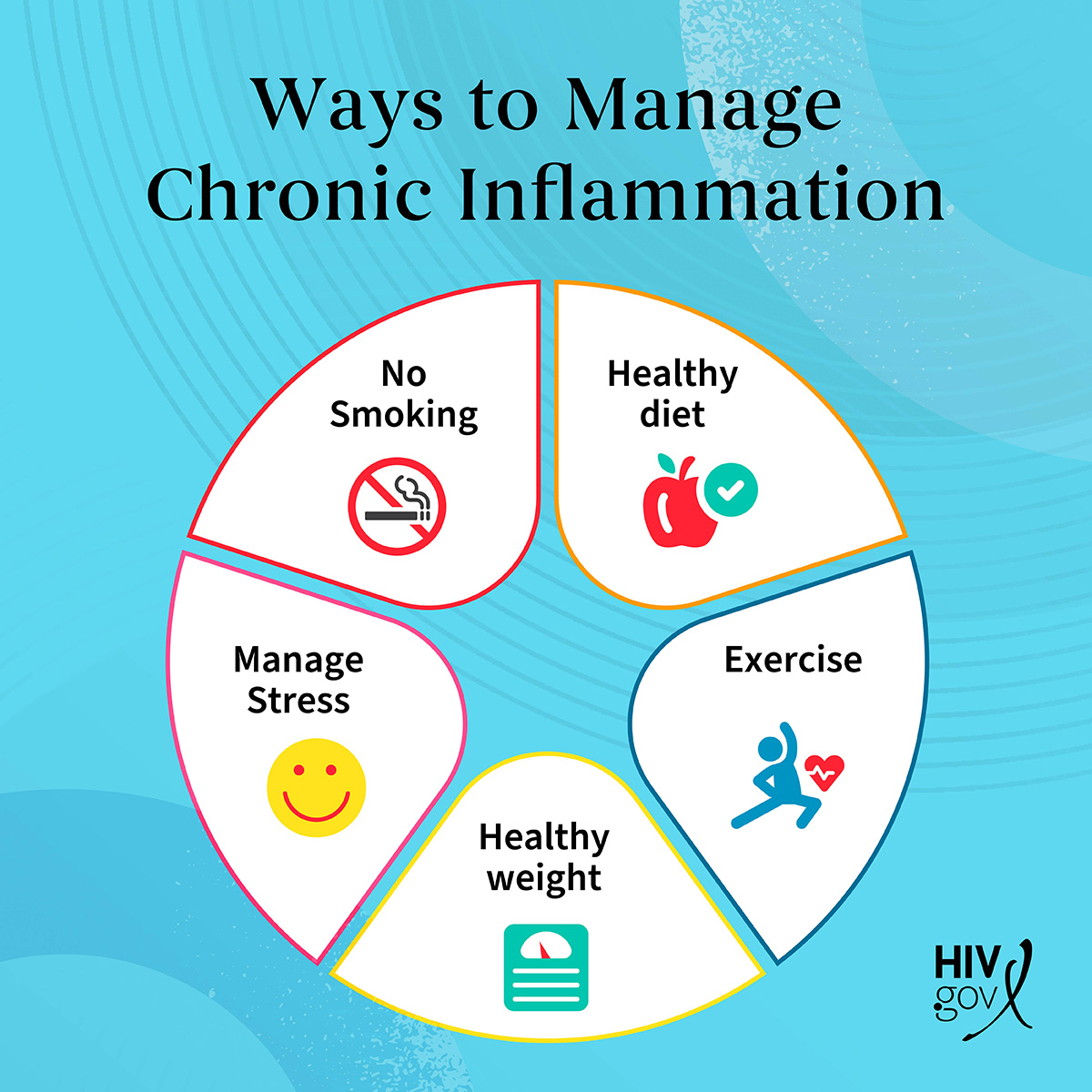
- Regular physical activity and a balanced, nutritious diet may help reduce inflammation and improve your quality of life.
Why Chronic Inflammation Matters for People Living with HIV
Inflammation is a part of the body's natural process of fighting infection or injury. People living with HIV often have ongoing inflammation because the virus keeps the immune system in a constant state of alert, even when treatment controls the infection. Over time, this nonstop immune response can irritate the body and lead to chronic inflammation. Chronic inflammation can cause a broad array of comorbidities (having two or more related conditions at the same time) within people living with HIV at all stages.
Decades of medical research have shown links between HIV-related systemic inflammation and an increased risk of age-related comorbidities, as well as death from non-AIDS conditions. Compared to people who do not have HIV, people living with HIV have shown higher levels of systemic inflammation. The increased immune response among people living with HIV has been associated with increased risk for certain chronic conditions, such as:
- Atherosclerotic cardiovascular disease (ASCVD),
- Diabetes mellitus,
- Obesity,
- Certain cancers,
- Osteopenia/osteoporosis (bone disease), and
- Chronic obstructive pulmonary disease.
Inflammation can still be a concern even for people with lower CD4 T-cell counts or those who feel well.
The good news is that by continuously taking antiretroviral therapy (ART), performing physical activity, and enjoying healthy eating may help reduce chronic inflammation and its effects.
Taking your HIV Treatment (ART) and Its Effects on Inflammation
Starting ART as soon as possible after an HIV diagnosis is one of the most effective ways to reduce HIV-related inflammation.
- Within the first few months of ART, inflammation starts to lower for most people living with HIV.
- Within 1 to 2 years of consistent treatment, most people living with HIV see an overall decrease in inflammation.
- People who receive an early HIV diagnosis and treatment with ART achieved lower immune responses than people who started ART at later HIV disease stages.
Taking ART exactly as prescribed helps control HIV, protect the immune system, and reduce inflammation over time. Talk to your health care provider about getting on an HIV treatment plan that is right for you.
Medication Interactions with ART and Inflammation
Many people living with HIV also take medications for other health conditions. Some prescription medicines, over-the-counter drugs, supplements, or herbal products may interact with ART and may:
- Make side effects worse,
- Cause new side effects, or
- Affect drug absorption.
It’s important to learn as much as you can about drug interactions.
Your health care provider should carefully consider potential medication interactions before recommending an HIV treatment regimen. Tell your health care provider about all the prescription and non-prescription medicines, vitamins, supplements, and herbal products you are taking or plan to take before you start HIV treatment.
Exercising to Reduce Inflammation
Being active in ways that fit your everyday life can help support both your physical and mental health. Physical activity has both immediate and long-term benefits for people living with HIV. Studies have shown that moving and working the body can help reduce inflammation. Exercise has been known to strengthen your immune system and is linked to reduced inflammation when done regularly. Daily exercise is also linked to:
- Lowering your risk of developing additional chronic illnesses,
- Slowing or delaying the progression of an existing chronic illness,
- Helping manage symptoms of existing chronic illnesses (like inflammation), and
- Improving mood, energy, and sleep.
Learn how physical activity benefits people living with HIV, and possible activities you can engage in.
Diet and Inflammation
Good nutrition supports the immune system and may help reduce chronic inflammation. Diets that include fruits, leafy-green vegetables, lean protein, whole grains, and healthy fats have anti-inflammatory properties and support the immune system which improves outcomes for people living with HIV. Eating patterns that support overall health may help prevent or manage conditions linked to chronic inflammation.
A balanced diet looks different for everybody, as outlined in the Dietary Guidelines for Americans.
Talk to your health care provider for any recommendations regarding chronic inflammation and how medications, physical activity, and food can improve your health.