






Physical Activity and Community: Getting the Best of Both Worlds
Summary:
Many people already know about the benefits of physical activity and include it in their routines, but did you know that being engaged in a community also has great health benefits? Why not combine the two? Our latest blog post looks at why each of these is great for your health and why they’re even better together.
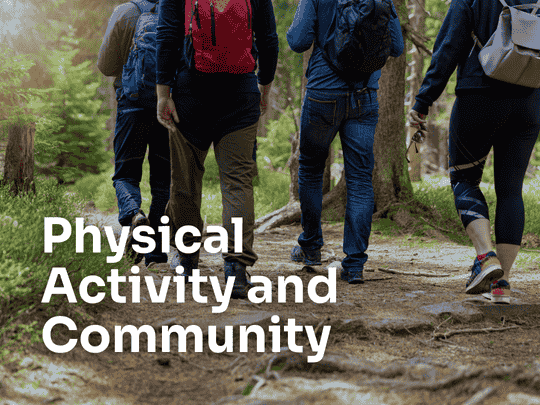
Most people know that physical activity has many health benefits. It’s one of the best things that people of all ages can do to improve their health. Physical activity helps with healthy aging, can reduce chronic diseases, and can prevent early death. It can also help maintain good mental and physical health and helps the immune system fight infections.
Did you know that being part of a community and staying connected to others also has lots of health benefits? Social connection can lead to a longer life, better health, and better well-being. It can improve our ability to manage stress, anxiety, and depression; lead to healthier eating habits and more physical activity; and improve our quality of sleep. Social connection can help reduce the risk of chronic disease and serious illness, such as heart disease, stroke, and dementia. Having another person or people to exercise with can also help make you less likely to forget to exercise or skip it.
Here at HIV.gov, we recommend getting the benefits of social connection and physical activity together. Luckily, these days, it’s easier than ever to find opportunities to exercise with others in your community.
Ready to get started? First, talk to your health care provider before starting a new exercise routine, especially if you have other health conditions. Here are some ways you can get the most gain:
- Find a walking or running buddy in your neighborhood, at work, or in your circle of friends. Or, if you have several walking buddies, organize a walking or running group that meets a few times per week.
- Want to exercise with a friend who lives far away? Plan times throughout the week when you will call each other while going for a walk or doing other exercises.
- See if your church, temple, mosque, or other house of worship holds any exercise classes, and if they don’t, ask if they would consider offering them.
- Check out your city or county’s parks and recreation department for group physical activity opportunities or workout classes.
- Try a local fitness studio or gym that offers small group classes.
- Find an app that connects people in your community to share exercise and sports opportunities.
The most crucial piece of creating a lifelong social exercise habit is to find the type of exercise you enjoy most. When you commit to something you like to do, you’ll be more likely to stick to it. If you’re not a fan of running, you don’t have to become a runner. Maybe your community group wants to get physical activity through a dance class or pickleball. Finding a good community will help keep you coming back, too.
Get more information about the importance of social connection from CDC. Learn more about the benefits of exercise for people living with HIV by visiting our Exercise and Physical Activity page.