






Exercise and Physical Activity
Summary
- Regular physical activity is helpful and strongly encouraged for people living with HIV.
- Physical activity at any stage in life helps you feel better right away—and keeps your body stronger in the long run.
- Your provider can help you choose activities that fit your health needs, energy levels, and goals.
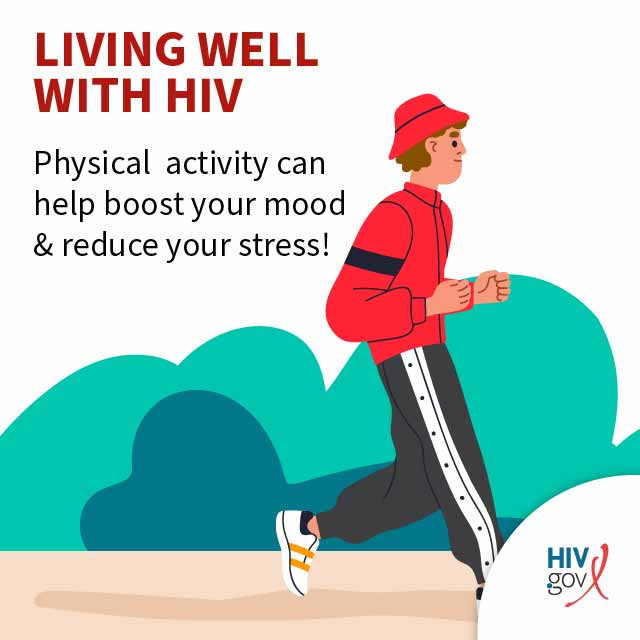
Energy, Strength, and Balance: Your Guide to Active Living
Movement is more than exercise. It’s one of the simplest, most powerful ways to improve your overall well-being. Whether you’re just getting started or looking to build a healthier routine, every step you take supports a stronger, more energized, more confident you.
Should People Living with HIV Exercise?
Yes! Moving your body is one of the best things you can do for your health. Regular physical activity is helpful and strongly encouraged for people living with HIV.
What Are the Health Benefits of Physical Activity?
Physical activity at any stage in life helps you feel better right away—and keeps your body stronger in the long run.
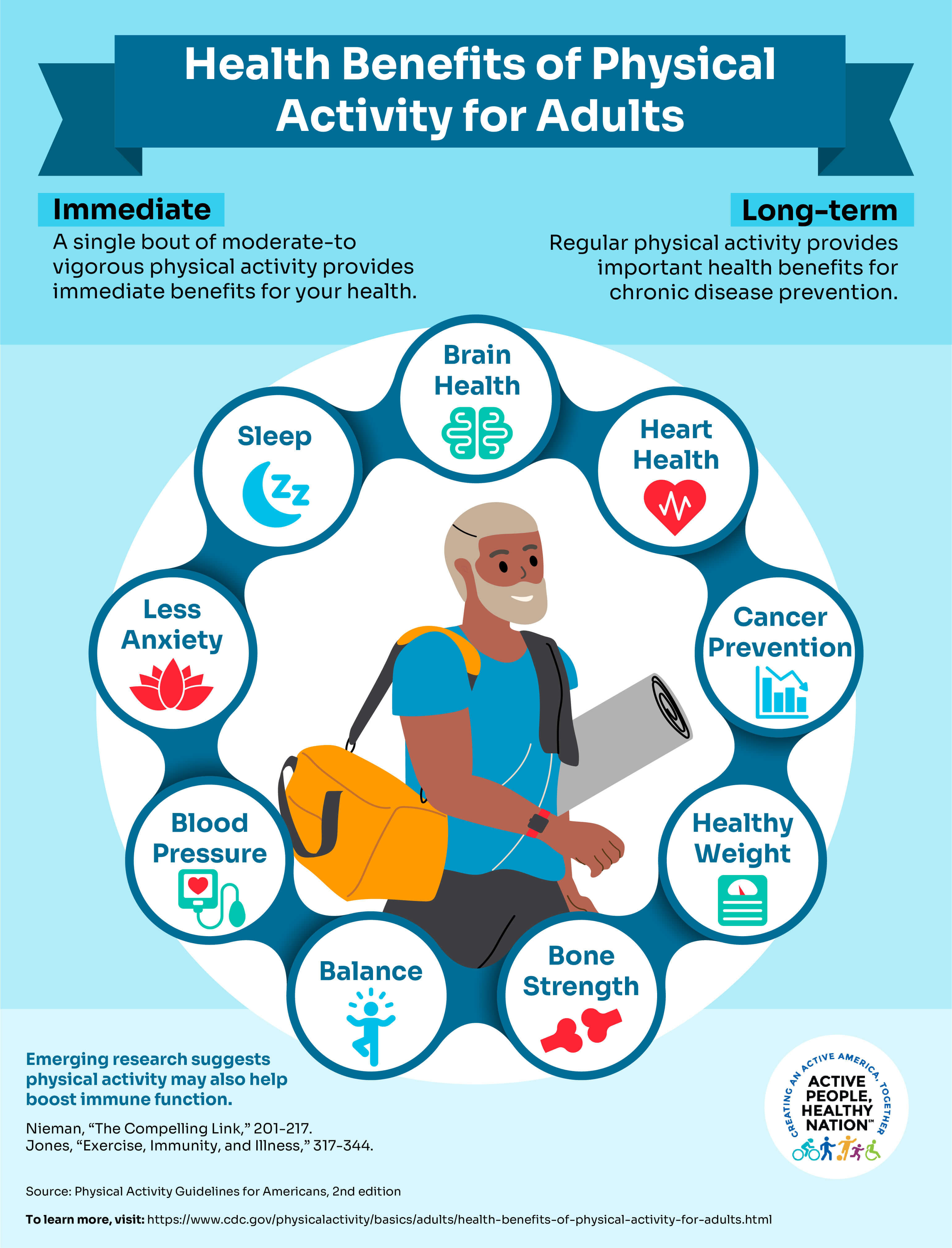
Immediate benefits:
- Boosts mood and reduces stress.
- Clears your mind and sharpens focus.
- Increases energy.
- Helps you sleep better.
- Releases “feel-good” chemicals naturally.
Long-term benefits:
- Brain health: Reduces your risk of developing dementia (including Alzheimer's disease) and depression.
- Supports learning, memory, and concentration.
- Heart health: Lowers your risk of heart disease and stroke, reduces cholesterol and lowers your blood pressure.
- Lowers the risk of developing type 2 diabetes.*
This is especially important because people living with HIV have a higher risk of developing type 2 diabetes. - Cancer prevention: Reduces the risk of several cancers.
- Helps maintain a healthy weight.
- Strengthens bones.
- Improves balance and reduces fall risk.
*People living with HIV have a higher risk for conditions such as type 2 diabetes and heart disease. The good news is that staying active, eating a healthy diet, and avoiding smoking can greatly lower these risks. In some cases, cholesterol-lowering medication can also help protect your heart.
All Movement Counts: Understanding Physical Activity and Exercise
Physical activity is anything that gets you moving: walking, dancing, biking—even cleaning.
Exercise is movement with a plan, like workouts, sports, or fitness classes.
All exercise is physical activity, and both help you stay healthy.
Everyday Activity and Weight-Bearing Exercise: What Works Best
According to the Physical Activity Guidelines for Americans (2025), adults need 150 minutes of moderate intensity physical activity a week, or 75 minutes of vigorous intensity, or an equivalent combination of moderate and vigorous intensity physical activity. In addition, adults need at least 2 days of muscle-strengthening activity each week.
A muscle-strengthening activity is any type of exercise that makes your muscles work harder than usual, so they grow stronger over time. This can include lifting weights, using resistance bands, doing push-ups or squats, or even heavy gardening. When you challenge your muscles regularly, they adapt by becoming stronger and more durable, which helps with everyday tasks and overall health.
Don’t worry—150 minutes doesn’t mean all at once.
Just 30 minutes a day, or a few 10-minute bursts throughout the week, gets you there. Small steps count big.
Understanding Weight-Bearing Exercises
Weight-bearing exercises are movements in which your body works against gravity—helping you build stronger bones, improve balance, and increase muscle strength.
Examples of Weight-Bearing Exercises
Below are examples of low and high-impact weight-bearing exercises. Low impact exercises are those that are gentler on the joints and more suitable for all fitness levels, while high-impact exercises involve more force.
Low-impact options:
- Walking
- Low-impact aerobics
- Elliptical machine
- Weight lifting (this is high intensity, but low impact)
High-impact options:
- Jogging or running
- Hiking
- Jumping rope
- Stair climbing
- Dancing
When Are Weight-Bearing Exercises Most Helpful?
These exercises are especially beneficial when your goals include:
- Strengthening bones and preventing bone loss
- Improving balance and reducing fall risk
- Building or maintaining muscle strength
- Supporting long-term mobility and independence
If you’re recovering from an injury or managing a chronic condition, then start with low-impact activities and increase gradually as you feel comfortable and as your doctor recommends.
Stronger Together: Partners, Tools, and Provider Support
Finding a Workout Partner
A workout partner can make physical activity more enjoyable and easier to stick with. Exercising with a friend, family member, or loved one can:
- Keep you motivated
- Make activity feel fun instead of like a chore
- Help you stay consistent and accountable
- Provide emotional support
- Provide safety
- Turn movement into a shared experience
Walking together, following online workouts, joining a class, or setting goals as a team are great ways to stay active.
Fitness Trackers and Sharing Your Progress
Fitness trackers, smartwatches, and phone apps can help you understand your movement patterns and support your goals. They can track:
- Steps
- Heart rate
- Sleep
- Calories burned
- Active minutes
- Strength-training or stretching time
Sharing the data collected by a fitness tracker with your health care provider can help them:
- Monitor your progress
- Understand changes in your energy or sleep
- Adjust your health plan
- Celebrate your improvements
- Recommend safe activity levels
Tip: Bring your weekly or monthly activity summary to appointments for a more personalized conversation.
Empower Yourself: Talking With Your Health Care Provider
Movement looks different for everyone. Your provider can help you choose activities that fit your health needs, energy levels, and goals. You can ask questions like:
- “What types of physical activity are best for my current health?”
- “Are there any exercises I should avoid?”
- “How can I safely increase my activity level?”
- “Is strength training safe for me?”
- “How much activity should I aim for each week?”
- “How will exercise support my long-term health?”
- “Can we review my fitness tracker data together?”
- “What symptoms should I watch for when being active?”
Asking questions helps you feel confident, supported, and empowered to take charge of your health.