






Healthy Eating and Chronic Inflammation for People Living with HIV
Summary
- A balanced diet can support healthy living for everyone, including people with HIV.
- Leafy vegetables, fruits, lean meats, certain cooking oils, and nuts may reduce inflammation in the body.
- Eating more foods associated with a reduction in inflammation and avoiding foods associated with increased inflammation may help with chronic inflammation.
Nutrition and HIV
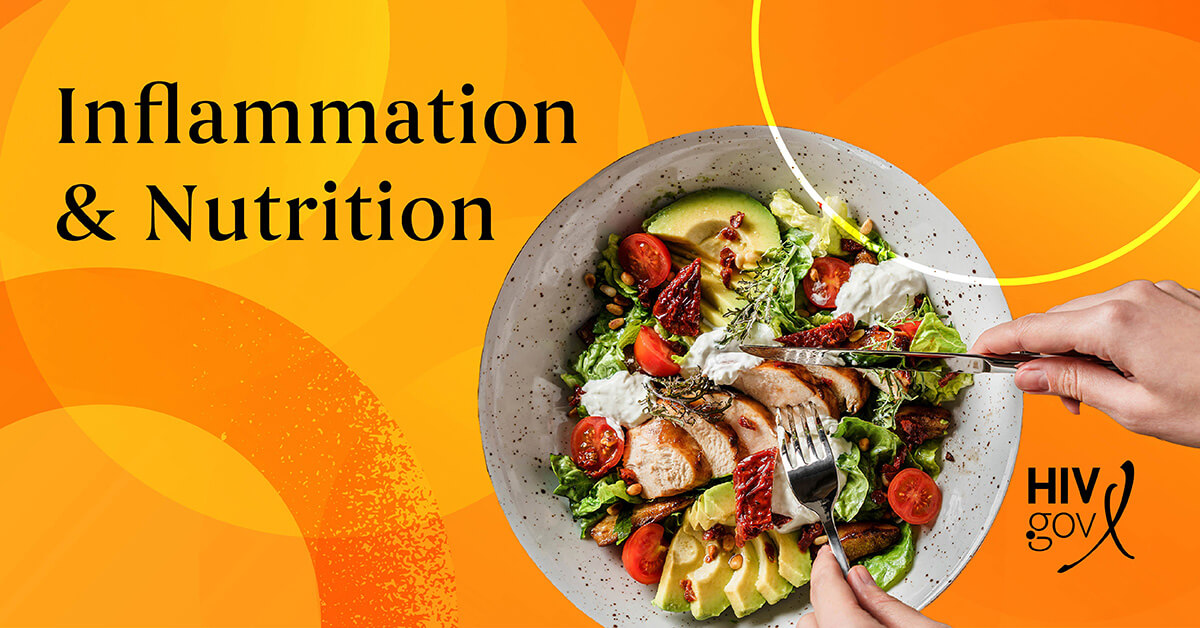
Eating a balanced, nutritious diet is important for nourishing our physical and mental well-being. Nutritious foods have a lot of health benefits for everyone, especially people living with HIV. Some foods are linked to supporting the immune system and to reducing inflammation in the body . Reducing inflammation through HIV treatment, antiretroviral therapy (ART) , as well as diet and exercise may possibly prevent or decrease symptoms of conditions that are caused or worsened by chronic inflammation in people living with HIV.
Nutrition and Antiretroviral Therapy (ART)
Eating a balanced diet can help make sure your medication is absorbed properly and works as intended. It may also possibly reduce unwanted side effects.
Also consider other medication(s) and supplements you are taking alongside ART, and how your diet may interact with the effectiveness and side effects of those medications.
Nutrition and Inflammation
Compared to people who do not have HIV, people living with HIV have shown higher levels of systemic inflammation, leading to chronic inflammation. Chronic inflammation can cause a broad array of comorbidities within people living with HIV at all stages. The foods we eat may increase or decrease levels of inflammation within our body.
Foods and Anti-Inflammatory Properties
The following dietary suggestions were provided by the U.S. Department of Veterans Affairs Whole Health Library:
Eating more lean proteins can decrease inflammation. Adding protein to every meal helps your body make, repair, and maintain cells while also supporting your immune system. Eat lean meats and plant-based proteins when possible, including nuts, dried beans, and seeds. Eat less red meat like beef, and if you do eat it, try to eat grass-fed meat and wild game meat instead of grain-fed meat. Wild-caught fish is also a better option than farmed fish.
Eating more fiber may lower inflammation. Food labels often have a suggested daily amount of fiber intake. Good fiber sources include whole grains, vegetables, nuts, berries, oatmeal, beans, brown rice, and popcorn.
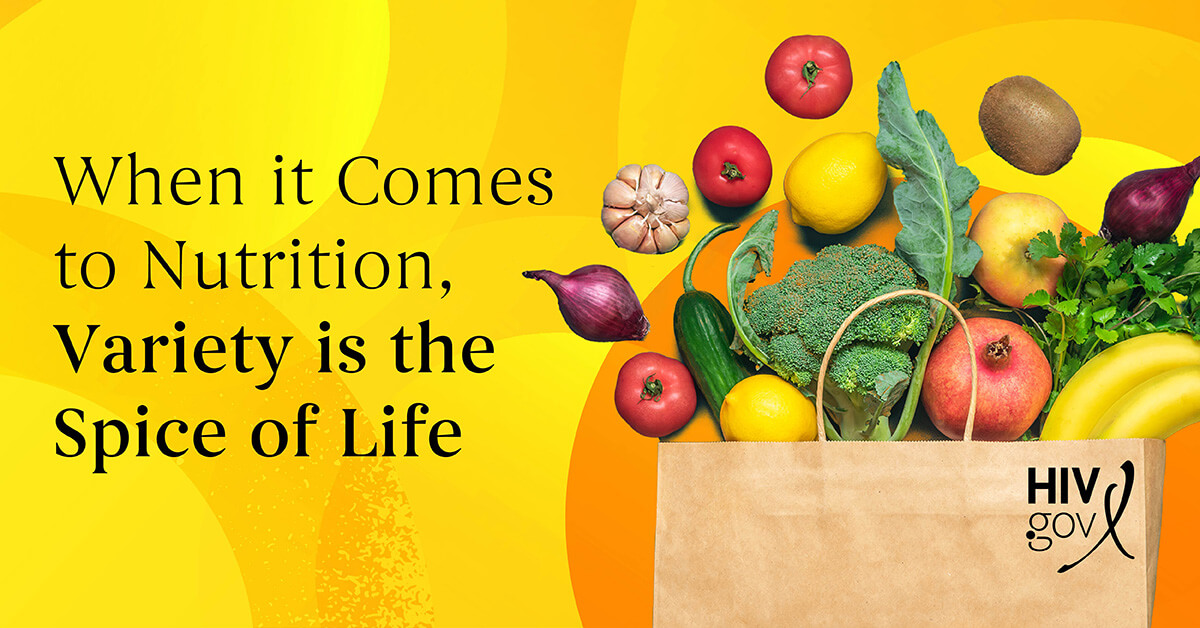
Eating green vegetables and a variety of fruits can reduce inflammation and provide important daily vitamins. The Dietary Guidelines for Americans recommends eating at least three servings of vegetables a day and two servings of fruit a day when possible.
Eating less processed foods and consuming less salt may reduce inflammation. Processed foods often have high levels of salt and saturated fats that increase inflammation. Additionally, try using herbs and spices instead of salt for seasoning. Certain herbs and spices, such as paprika, rosemary, ginger, turmeric, sage, and cumin, are considered to have anti-inflammatory properties.
Eating less saturated fats may reduce inflammation, as this type of fat is linked to increased inflammation. Saturated fats mostly come from meats and dairy products. Some meats that have less saturated fats include white meats, fish, and other seafood.
Eating a balanced amount of Omega-3s and Omega-6s may lower inflammation. Omega-6s and Omega-3s are types of polyunsaturated fats that are called essential fatty acids. You need Omega-3 and 6 for your body to function, but an imbalance of the two can cause inflammation. Omega-3s are found in fish with high fat content like salmon, tuna, and mackerel; shellfish; some plant oils like flaxseed, soybean, and canola; and in nuts/seeds (flax seeds, chia seeds, and walnuts). Omega-6s are found in plant oils like sunflower oil, corn oil, soybean oil, and in nuts and seeds. It is recommended to eat two servings of fish a week, if possible. You can talk to your doctor about fish oil supplements.
Eating more monounsaturated fats can reduce inflammation. Common monounsaturated fats include olive oil, canola oil, avocados, peanut oil, safflower oil, and sesame oil. These types of fats are known to reduce inflammation, blood pressure, bad cholesterol, and blood sugar levels.
In addition to a balanced diet, some people living with HIV may benefit from using vitamin supplements. The HIV and Dietary Supplements fact sheet has a list of vitamins, minerals, and other supplements to explore with your health care provider.
Certain foods and supplements can have a drug-food interaction with your HIV treatment regimen.
Talk with your health care provider to see what foods best fit your dietary needs, and how they interact with your medications and supplements.