





Nutrition and People Living with HIV
Summary
- Good nutrition is especially important for people living with HIV because it helps strengthen the immune system and keeps people living with HIV healthy.
- Improving what you eat, along with getting enough exercise, can help you reduce your risk of chronic diseases, such as diabetes, heart disease, some cancers, and obesity.
- Before you make major changes in your diet, contact your HIV health care provider or seek guidance from a registered dietician to get a better assessment of your nutritional needs.
Why Is Good Nutrition Important for People Living with HIV?
Getting the right nutrients helps our bodies stay healthy, grow, and work properly. Good nutrition is essential to helping people stay healthy throughout their lives.
The right nutrition is especially important for people with HIV because it supports the immune system, helps the body absorb HIV medications, and promotes long-term health. Eating well, along with getting enough exercise, can lower the risk of chronic conditions like diabetes, heart disease, some cancers, and obesity. Bite by bite, the benefits of healthy eating add up over time.
What Is Good Nutrition?
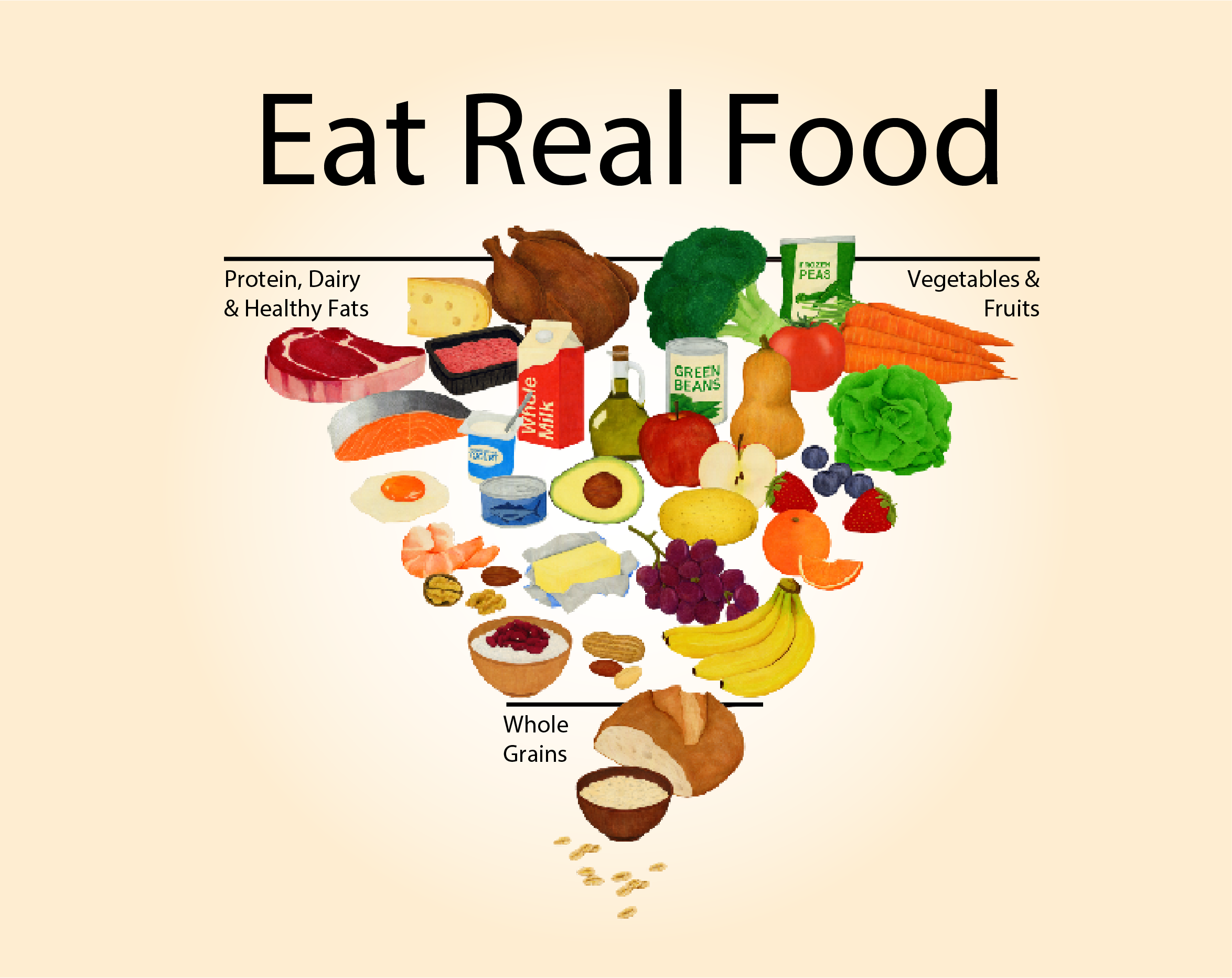
According to the federal government’s Dietary Guidelines for Americans, a healthy diet means eating a variety of protein foods, dairy and fortified soy alternatives, vegetables, fruits, healthy fats, and whole grains. When deciding what to eat or drink, choose options that are less processed; are full of nutrients; and are limited in added sugars, saturated fat, and sodium.
Before you make major changes in your diet, talk to your HIV health care provider or a registered dietitian to get a better understanding of your nutritional needs. Many HIV clinics and community health centers have dietitians on staff. They can help you set dietary goals and make a plan to eat the best possible foods to support your health and reduce your chances of developing other health problems.
How to Read Food Labels
Food labels can help you make informed choices about what you eat and drink. The Nutrition Facts label provides information about serving size; calories; and nutrients such as sodium, added sugars, and saturated fat. Nutrition.gov provides more information about using the Nutrition Facts label, including an interactive Nutrition Facts label tool.
In addition to the Nutrition Facts label, the ingredient list provides more details about what is in a packaged food or beverage. Ingredients may include foods you recognize—such as fruits, vegetables, grains, or dairy products—as well as ingredients added to improve flavor, texture, freshness, or appearance. These ingredients may include preservatives, sweeteners, flavorings, and additives such as food dyes, all of which can be found in the ingredient list.
When reading a food label, start with the serving size. Then review the ingredient list to learn more about what is in a food or beverage. Ingredients are listed from the largest to the smallest amount by weight, so the first few ingredients make up most of the product. Reviewing the ingredient list can also help you understand what is in your packaged foods and beverages, which may make it easier to compare different options.
Will HIV Medicines Make You Gain Weight?
If you have HIV, it’s important to get and stay on treatment with HIV medicines called antiretroviral therapy or ART. When taken as prescribed, HIV medicine can reduce the amount of virus in your body (your viral load) to a very low level—including a level so low that a regular lab test can't detect it. This is called having an undetectable viral load. Getting and keeping an undetectable viral load is the best thing people living with HIV can do to stay healthy and prevent transmitting HIV to others. In order to stay on track with your medications, it’s important to understand how they may interact with certain foods and your weight.
Some HIV medicines can cause weight gain. The reasons are unclear. If you were very sick with HIV and experienced weight loss before starting treatment, you may gain weight as you return to health on ART. Not everyone gains weight, but it’s more common in women, Black/African American people, and people who had poor health before starting treatment.
Factors other than ART can also affect your weight, such as lifestyle habits; how much sleep you get; other medicines you take; other health problems; genes; family history; and where you live, work, play, and worship.
Being overweight can increase your risk for other chronic diseases, like heart disease, high cholesterol, and diabetes. Talk to your HIV health care provider if you have concerns about your weight and what you can do to stay healthy.
Learn about HIV and heart disease, high cholesterol, and diabetes.
How Can You Eat Healthy on a Budget?
Some people worry that it’s expensive to eat healthy foods. But there are many ways to eat healthy on a budget.
For example, there are free mobile apps you can use to help make a shopping plan, find cost-saving opportunities in your local area, and discover new ways to prepare budget-friendly foods.
You can also ask your HIV health care provider’s office about local food resources, like food pantries and food assistance programs you may qualify for.
What Role Does Exercise Play in Living Healthy with HIV?
Regular physical activity and exercise are part of a healthy lifestyle for everyone, including people living with HIV. Read our page on exercise and people living with HIV.
What Do People Living with HIV Need to Know About Food Safety?
Because HIV affects the immune system, foodborne illnesses are likely to be more serious and last longer in people living with HIV than in people with a healthy immune system. That’s why, in addition to eating well, you need to eat safely. By following a few basic safety guidelines when you prepare and eat your meals, you can protect yourself from food-related illness:
- Do not eat raw eggs, meats, or seafood (including sushi, oysters/shellfish, and raw cookie dough).
- Do not drink or eat unpasteurized milk, other dairy products, or fruit juices.
- Follow the four steps to prevent food poisoning: Clean, Separate, Cook, and Chill:
- Clean: Wash your hands and surfaces often.
- Separate: Don’t cross-contaminate foods.
- Cook to the right temperature using a food thermometer.
- Chill: Refrigerate promptly.
To learn more, visit CDC.gov’s Food Safety Choices for People with Weakened Immune Systems.
Water safety is extremely important, too, as water can carry a variety of parasites, bacteria, and viruses. Learn how people with weakened immune systems and others at risk for getting waterborne illness can protect themselves from waterborne germs at home.
Hepatitis A: People living with HIV are at increased risk for severe disease from hepatitis A, a contagious liver infection caused by the hepatitis A virus. It is usually transmitted by coming into contact with an infected person’s feces (such as by eating contaminated food or drinking contaminated water) or by person-to-person contact. Hepatitis A vaccines can safely and effectively prevent Hepatitis A. It is recommended for all people living with HIV in the United States. For adults 18 or older, the vaccine is usually given in two doses over the course of 6 months.