





HIV and Heart Health: What You Need to Know
Summary:
In our latest blog post, we’re highlighting the link between HIV and heart health. Explore why people living with HIV face a higher risk of heart disease and the simple, proactive steps they can take to protect their hearts and support long-term wellness.
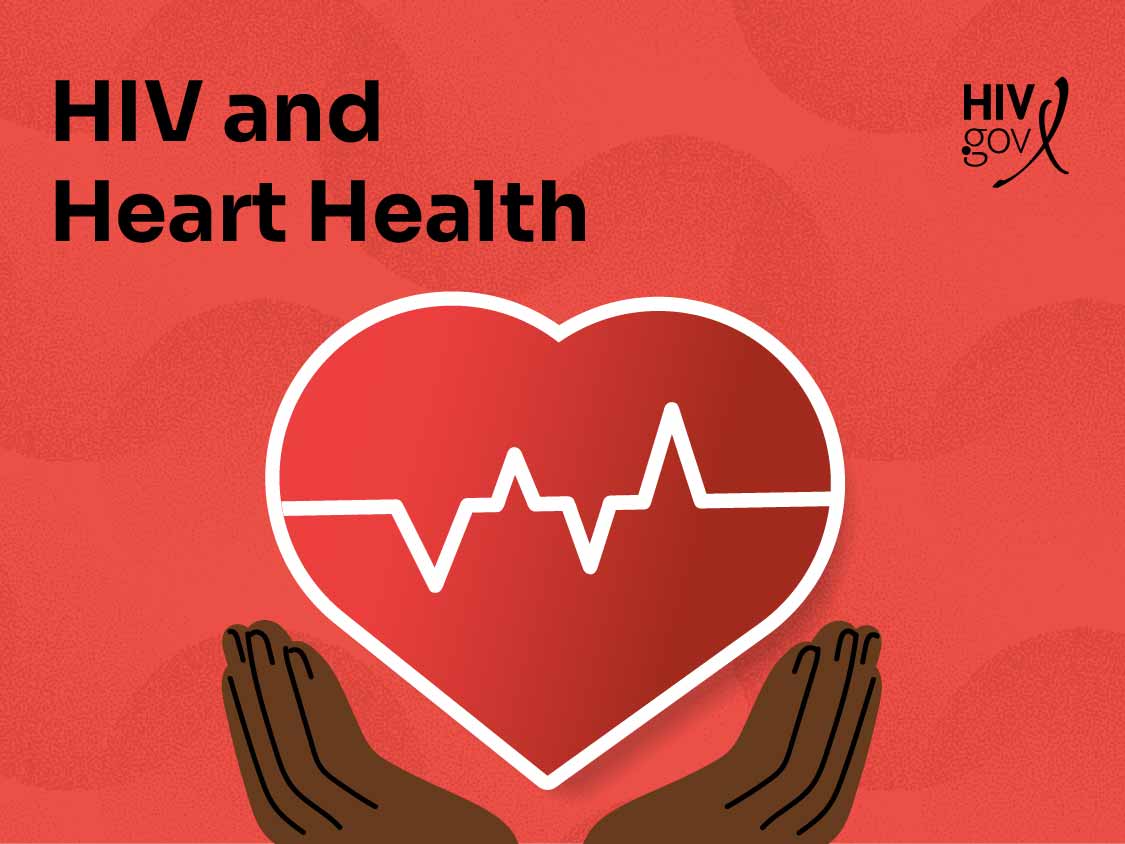
As people living with HIV live longer thanks to advances in care and treatment, new health challenges have emerged—including heart disease. In this blog post, we’re spotlighting the connection between HIV and cardiovascular health and what people living with HIV can do to protect their hearts.
Why Heart Health Matters for People living with HIV
Even with well-managed HIV, individuals may face a higher risk of heart disease, including heart attacks and strokes, compared to those without HIV. Lifestyle choices, such as smoking, and the effects of obesity, such as high cholesterol and diabetes, also increase risk.
Because of this elevated risk, heart health deserves special attention in HIV care. Taking proactive steps like monitoring blood pressure and cholesterol, staying active, and avoiding tobacco can make a meaningful difference in long-term cardiovascular well-being.
If you’re living with HIV, talk to your health care provider about how to reduce your personal risk for heart disease. Your provider can help you understand how your treatment plan and lifestyle affect your heart.
What You Can Do
Here are the steps people living with HIV can take to reduce their risk of heart disease:
- Take HIV medications daily to maintain an undetectable viral load.
- Eat a heart-healthy diet rich in fruits, vegetables, and whole grains.
- Exercise regularly—even short walks can support heart and immune health.
- Maintain a healthy weight with a plan that supports both your heart and your HIV care.
- Avoid smoking, vaping, and other tobacco products and limit alcohol use.
- Manage other health conditions like high blood pressure or diabetes.
- Don’t skip medical appointments—each one is a chance to speak with your health care provider about your heart health.
- Stay up to date on preventive health maintenance like cancer screening and metabolic health screening.
Even small changes can add up. For example, just quitting smoking or finding manageable ways to move more each day can contribute to better heart health over time.
Every Day, Take Action to Put Your Heart First
Heart health is essential for everyone, including people living with HIV. Cardiovascular disease doesn’t always show symptoms early on, so being informed, proactive, and connected to care is key. Taking care of your heart is one more way to take care of your whole self.
Visit HIV.gov and explore the Living Well with HIV section for articles and resources.