





Bridging the Gap: HIV Prevention and Care in Rural Communities
Summary:
Rural communities face unique challenges in accessing HIV services, but support is available. This blog post offers practical tips for getting tested, engaging in care, and using telehealth to overcome distance-related barriers. It also highlights how federal programs are helping to expand HIV prevention and treatment services across rural America.
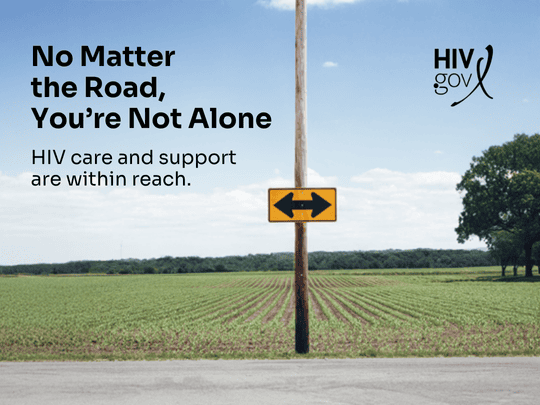
No matter where you live, you deserve access to the HIV care and prevention tools that support long-term health
HIV touches lives everywhere across the United States, even in small towns and rural areas. Getting tested, finding prevention options, or starting treatment can feel tough in rural communities. The good news? Help is out there, and folks in rural communities are finding creative ways to make sure everyone can get the HIV services they need.
Challenges in Rural HIV Prevention and Care
If you live in a rural area, getting HIV care can feel like an uphill battle. This might mean driving long distances, not having many doctors or clinics to choose from, or struggling to get to appointments. You might also worry about what others will think or say. All of this can make it hard to get tested or to access the HIV prevention or treatment services that you need. But remember, you’re not alone. With the right help and some good resources, you can stay on top of your health and get the care you need, no matter where you live.
Tips for Accessing HIV Services in Rural Areas
- Get tested: Knowing your HIV status is the first step to protecting your health. You can search for testing options near you using the HIV.gov HIV Services Locator. You can also request a free HIV self-test from Together TakeMeHomeExit Disclaimer, a program supported by the Centers for Disease Control and Prevention (CDC) that mails self-tests to help make HIV testing more accessible across the United States.
- Explore telehealth options: Telehealth can help bridge the distance between patients and providers. Ask whether your provider or an HIV clinic in your region or state offers virtual appointments for HIV care or PrEP (pre-exposure prophylaxis).
- Find a provider who meets your needs: The HIV.gov HIV Services Locator can also help you connect with care providers and support services—even in surrounding counties or nearby cities. You can also check with your local health department to see what HIV services they may offer or see whether they know of any clinics or hospitals from nearby communities that may offer HIV services via a mobile clinic that visits your community periodically.
- Stay engaged in care: Routine visits with your health care provider are important to staying healthy. Consider setting reminders for appointments or enrolling in programs that offer care coordination or navigation services so you have someone you can reach out to with questions between appointments.
Federal Support for HIV Services in Rural Areas
There are federal programs working to make sure that people in rural communities get the HIV services they need:
- The Indian Health Service (IHS) offers HIV care and prevention for Indigenous communities, including those in rural regions, making sure care fits cultural needs.
- The Ryan White HIV/AIDS Program helps people living with HIV, including those in rural areas, access medical care, medications, and essential support services by working with clinics, providers, and community programs.
- The Health Center Program supports local health centers all over the country. Many of these centers are located in rural areas. Health centers offer HIV testing, and many also provide prevention and treatment services.
- The CDC supports health departments and community-based organizations that provide HIV testing and prevention services, including in rural and high-need communities.
In addition, seven states with a substantial number of HIV diagnoses in rural areas—Alabama, Arkansas, Kentucky, Mississippi, Missouri, Oklahoma, and South Carolina—are getting extra support and attention through the Ending the HIV Epidemic in the U.S. (EHE) initiative. President Trump launched the EHE in 2019 to substantially reduce new HIV infections in the United States by helping those states, 48 counties, Washington, DC, and San Juan, PR, enhance and expand their HIV testing, treatment, and prevention efforts.
Closing the Distance
Wherever you call home, your health is important. If you live in a rural area and need HIV testing, prevention, or treatment services, there’s help out there—whether it's through telehealth or special federal programs. Distance doesn’t have to keep you from getting the care you need.
To learn more about HIV testing, prevention, and treatment visit HIV.gov and explore the “HIV Health & Wellness” section for more information and resources.