






Caring for Communities: Pharmacists’ Role in HIV Care and Prevention
Summary:
Pharmacists are playing a key role in expanding access to HIV services, especially in communities with limited access to traditional health care. This blog post highlights how pharmacists are supporting HIV prevention, testing, and care.
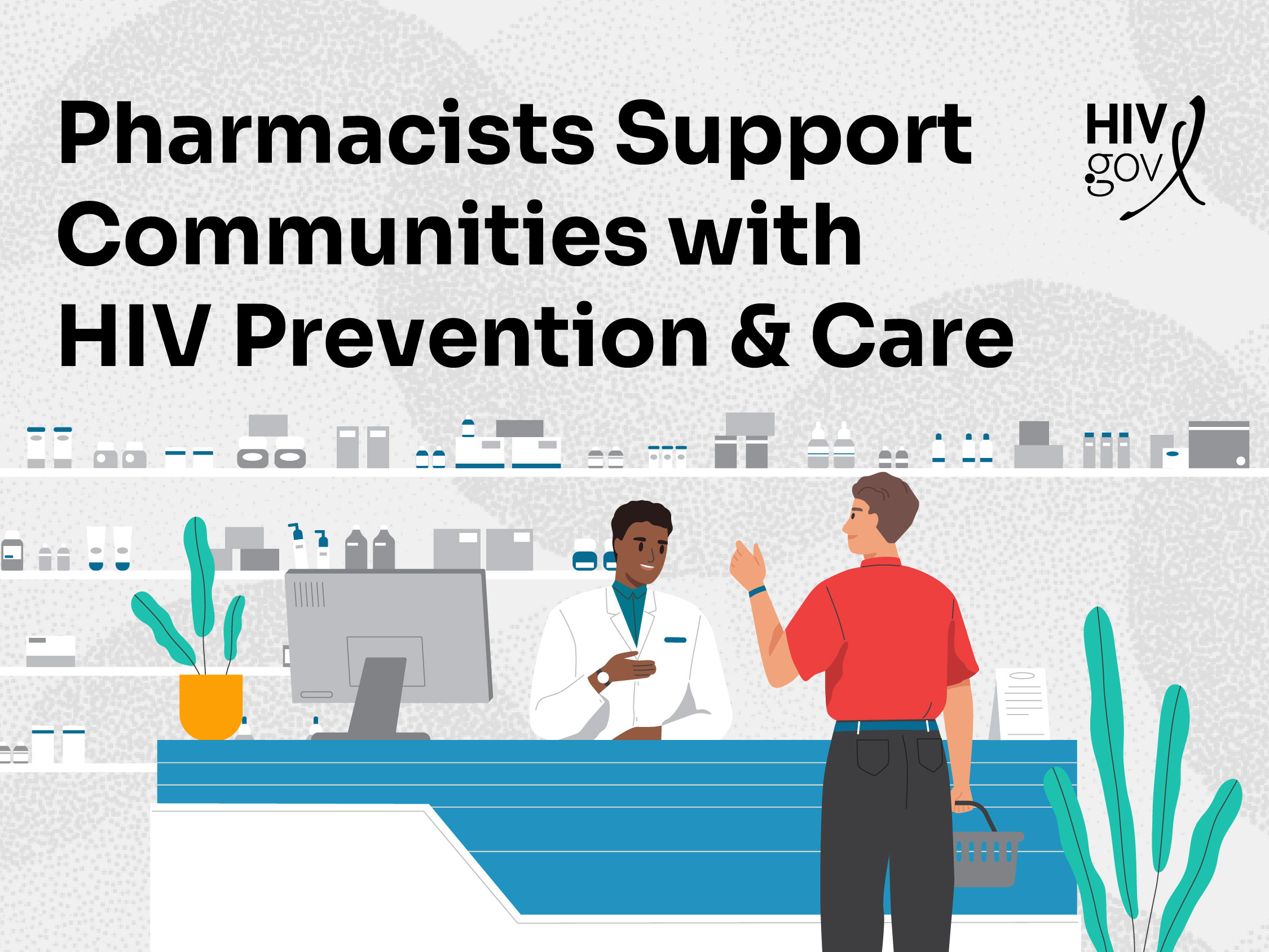
Pharmacists are helping expand access to HIV prevention, testing, and care, especially in communities with limited access to traditional services.
Pharmacists have long been trusted healthcare providers for the communities they serve—but today, their role is more vital than ever. From providing everyday health guidance to supporting HIV prevention and treatment, pharmacists are helping expand the reach of critical services and are building healthier, more connected communities.
Pharmacists: Trusted Providers Bringing HIV Care Closer to Home
For many people, especially those in rural areas or neighborhoods with limited health care options, pharmacists are often the most accessible health care professionals. Whether it’s answering health questions, offering immunizations, or co-managing chronic conditions, pharmacists are embedded in the daily lives of the people they serve.
In the context of HIV, pharmacists play a crucial role by:
- Expanding access to HIV testing and prevention tools
- Serving as trusted bridges to doctors, clinics, and public health programs
- Creating strategies for medication adherence
- Helping patients understand HIV treatment plans, lab reports, and procedures
These efforts go beyond dispensing medicine. It’s about meeting people where they are, empowering them to take control of their health, and improving health outcomes nationwide. By fostering ongoing relationships and providing compassionate care, pharmacists are essential to American health care, especially in HIV prevention and treatment.
Pharmacy-Led HIV Prevention and Services in Action
Across the country, innovative pharmacy-based programs are driving real impact. In some areas, pharmacists can now prescribe pre-exposure prophylaxis (PrEP) and post-exposure prophylaxis (PEP) directly. Others are participating in public health partnerships to offer HIV testing right in the pharmacy setting. Clinical pharmacists are embedded in primary care medical homes, working alongside the care team by providing direct care to patients living with HIV.
These efforts are expanding the availability of care in ways that are practical, scalable, and centered on community needs. When pharmacists are empowered to provide these services, everyone benefits.
Consistent Care, Trusted Guidance
Whether supporting someone newly diagnosed with HIV, helping a patient manage multiple medications, or simply offering a listening ear, pharmacists are essential to community HIV care and prevention. They are not only medication experts; they are also trusted professionals who offer guidance, build relationships, and help people stay connected to care.
Looking for more information on HIV prevention, testing, and care? Visit HIV.gov and explore the “HIV Health & Wellness” section for tools, articles, and resources.