






Taking Your HIV Medicine as Prescribed
Summary
- People living with HIV who take HIV medicine as prescribed and get and keep an undetectable viral load can live long and healthy lives and will not transmit HIV to their HIV-negative partners through sex.
- If taken as prescribed, HIV medicine can reduce the amount of HIV in your blood (also called your viral load) to a very low level. Talk to your health care provider if you miss a dose or find you miss a lot of doses.
- Regularly reviewing all your medications with your health care provider can help reduce risks and ensure your treatment plan remains safe and effective.
Why Should You Take Your HIV Medicine as Prescribed?
If taken as prescribed, HIV medicine can reduce the amount of HIV in your blood (also called your viral load) to a very low level. This is called viral suppression.
A viral load that is so low that a standard lab can’t detect it is called having an undetectable viral load. People living with HIV who take HIV medicine as prescribed and get and keep an undetectable viral load can live long and healthy lives and will not transmit HIV to their HIV-negative partners through sex.
HIV treatment involves taking highly effective medicines called antiretroviral therapy (ART) that work to control the virus. ART is recommended for everyone with HIV, and people living with HIV should start ART as soon as possible after diagnosis, even on that same day.
People on ART take a combination of HIV medicines called an HIV treatment regimen. There are two types of HIV treatment: pills and shots. Pills are recommended for people who are just starting HIV treatment. There are several FDA-approved combinations of HIV medicines that are available in a single pill.
People who have had an undetectable viral load (or have been virally suppressed) for at least 3 months may consider shots.
Taking HIV Treatment Shots
HIV treatment shots are long-acting injections used to treat people living with HIV. The shots are given by your health care provider and require routine office visits. HIV treatment shots are given once a month or once every other month, depending on your treatment plan. Talk to your provider about whether shots are right for you.
Is It OK to Skip a Dose?

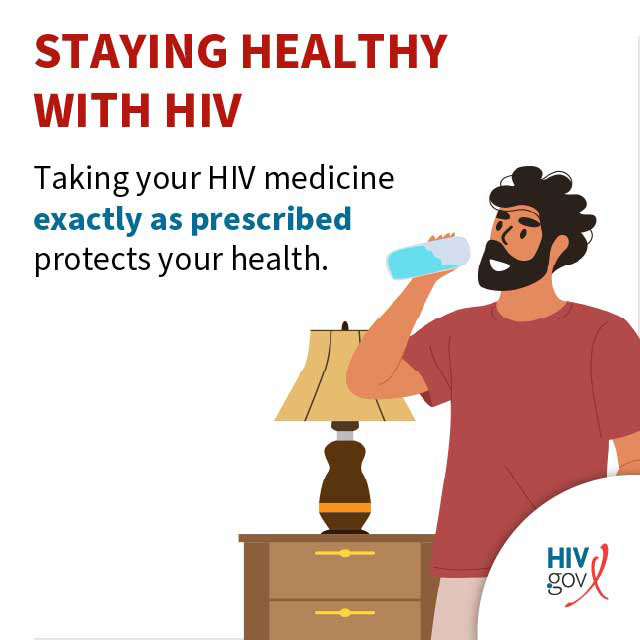
When you take HIV medicine in pill form, it is important to take it every day, exactly as prescribed.
Skipping doses makes it easier for HIV to change form, causing your medication to stop working. This is called drug resistance. HIV can become resistant to your medication and to similar medications that you have not yet taken. This limits your options for successful HIV treatment. Drug-resistant strains of HIV can be transmitted to others, too.
Taking your HIV medicine every day, exactly the way your health care provider tells you to, will help keep your viral load low and your CD4 cell count (a count of white blood cells that fight infection) high. If you skip doses, even now and then, you give HIV the chance to multiply rapidly. This could weaken your immune system, and you could become sick.
Talk to your health care provider if you miss a dose. In most cases, if you realize you missed a dose, take the medicines as soon as you can, then take the next dose at your usual scheduled time (unless your pharmacist or health care provider has told you something different).
If you find you miss a lot of doses, talk to your health care provider or pharmacist about ways to help you remember to take your medicines as prescribed. You and your health care provider may even decide to change your treatment regimen to fit your health care needs and life situation, which may change over time.
When your HIV treatment is in injectable form, it is especially important to follow the dosing schedule your doctor provides. Setting a consistent injection date can help you stay on track.
Taking your HIV medicines exactly as prescribed is essential to getting the full benefits of treatment and supporting your overall health. Taking too little, too much, or taking medicines differently than directed can lead to serious problems. Missing doses can allow HIV to multiply and become resistant to treatment, while taking more medication than prescribed or mixing medicines incorrectly can cause HIV drug toxicity. Drug toxicity is an adverse reaction to antiretroviral therapy (ART) and can range from mild side effects to serious or life-threatening complications, including damage to vital organs. Reading prescription labels carefully, following dosing instructions, and telling your health care provider about all medicines and supplements you take can help prevent these risks. If you notice new or worsening symptoms or think you may have taken your medicine incorrectly, contact your health care provider right away.
As part of your HIV treatment plan, you may take several medications to manage HIV and other chronic health conditions. This is known as polypharmacy. While taking multiple medications is sometimes necessary, inappropriate polypharmacy happens when medicines interact in harmful ways or cause unsafe side effects. For people living with HIV, these side effects can be serious and may increase the risk of hospitalization, falls, or problems with thinking and memory. Regularly reviewing all your medications with your health care provider can help reduce these risks and ensure your treatment plan remains safe and effective.
Get tips on taking your HIV medicine as prescribed.
HIV Infection and Addiction
Taking illegal, unprescribed, or street drugs while on HIV medication can be dangerous and may cause serious drug interactions or side effects. Some substances can reduce how well HIV medicines work, increase the risk of drug toxicity, or lead to overdose. Using these substances without your health care provider’s knowledge can also make it harder to manage your HIV treatment safely and effectively. Always talk openly with your health care provider about any drugs or substances you use so they can help protect your health and adjust your care if needed. Your health care provider can also provide resources for addiction.
Do You Have to Take Your HIV Medicine If Your Viral Load Is Undetectable?
Yes. ART is not a cure for HIV, and the virus remains in your body, even if your viral load is undetectable. You need to keep taking your HIV medicine as prescribed. If you stop taking your HIV medicine, your viral load will quickly go back up.
If you have stopped taking your HIV medicine, talk to your health care provider as soon as possible. Your provider can help you address issues that may have caused you to stop taking your medication, such as side effects or cost and help you get back on track. Together, you can discuss the best strategies to prevent transmitting HIV to your sexual partners until your viral load is confirmed to be undetectable again.